How Design Impacts On Customer Perception
So, the plans were approved, the construction went as planned, and your restaurant potentially has everything it needs to be a thing of beauty – but the detail that goes into its interior design can make it or break it!
The Psychology of Seating
Décor, seating and colour palette all play a pivotal role in creating an ambience that makes customers want to return time and again; they are essential to successfully delivering the vision and business goals for any restaurant.
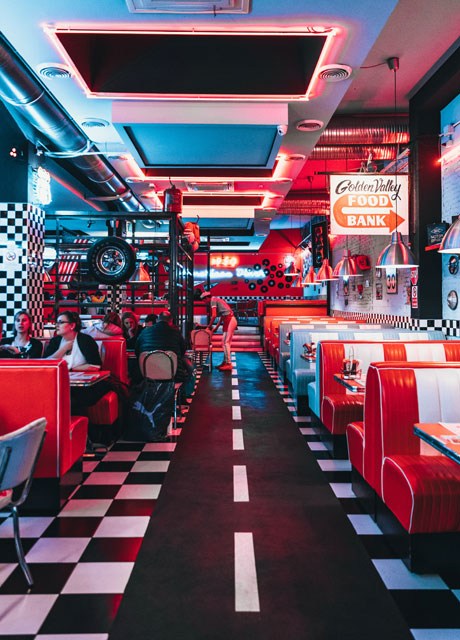
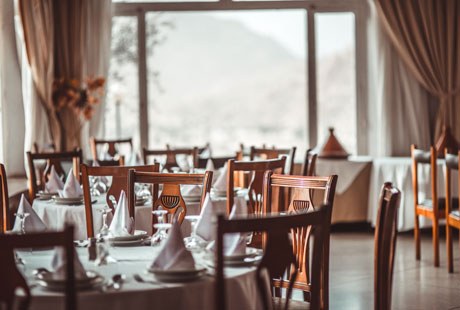
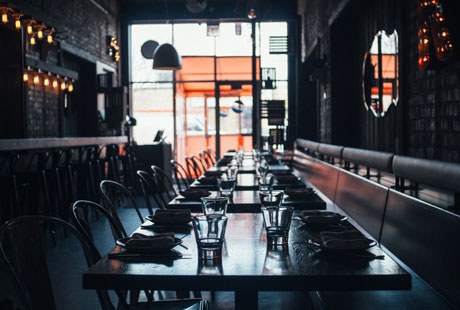
We often see coffee shops with lounge-style seating and laid-back décor to create a relaxing atmosphere, or fast food restaurants with efficient seating, brightly coloured walls, fast background music and an energetic environment geared towards encouraging a quick turnaround.
At the other end of the scale, fine-dining restaurants might play Mozart, encourage diners to relax into the most comfortable chairs imaginable, and enjoy a warm, tranquil environment – all aimed at keeping customers seated and ordering more drinks and appetisers from the menu.
With restaurants averaging 20% of a garden centre's turnover and 30% of a farm shop's; they are both a part of the customer’s visit to the location and certainly a destination in their own right. Therefore, restaurant design is a major influencing factor as to whether it takes £3,500 or £12,000 per seat.
If operators don’t get the restaurant right, then the business is missing an opportunity for footfall, turnover and profit!
Restaurant Design Considerations
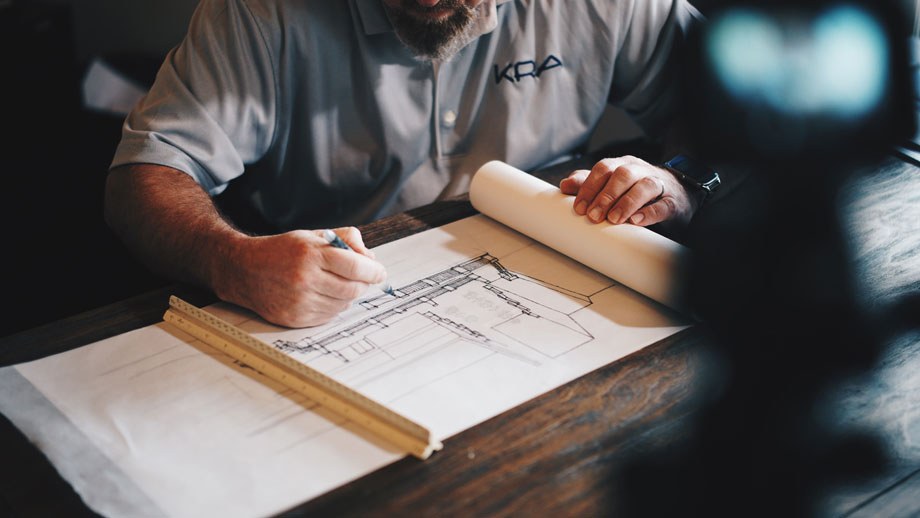
My advice, firstly, “Get a professional designer to help you create your vision."
Unless there is a financial reason not to use one, the opinion of someone focused on restaurant interior design with an understanding of trends and customer reaction to designs can be key to the success of your restaurant.
Some businesses are fortunate enough to have someone in-house who can do this; however, most don't and I do want to stress how important it is to achieve the right design and finish.
Secondly, "When creating your vision, link it to a story that is personal, site-led, locally inspired, quirky or simply interesting."
Having this in mind helps to create a joined up, synchronised theme, that benefits both catering and retail, which the customer can enjoy and feel part of.
Your 'vision' also needs to provide a menu that is in-keeping with the ambience. the number of seats and the flow of your customers, and that is of a quality that exceeds the customers’ expectations.
For example, if your restaurant has limited seats, then you potentially need a light-bite and a takeaway menu.
Conversely, in a luxurious table-service environment, the food and beverage list has to be exquisite and have unique selling points to create the ‘wow factor’.
'Function' as well as 'Form'
Another essential element to a restaurant’s design is its functionality.
While building the vision, operators should ask themselves:
- Where is the restaurant to be located in relation to the car park and retail departments?
- How do customers sit/how are they seated?
- What is the food delivery concept? Self-Service? Table Service? Counter Ordering or Pre-ordering via tablet?
The key is to make the concept clear and easy for the customer; it has to work without effort and deliver everything that both the business-owner and the customer expect.
If a restaurant doesn’t function properly in both the kitchen and front-of-house, then no matter how quirky, inviting or beautiful it is, it won’t be a success. Whatever the concept of the restaurant, every process has to be considered in detail so that it works efficiently and seamlessly.
A feast for the eyes
From a designer’s point of view, one of the vital aspects to a restaurant’s design is colour and lighting.
Colour makes people feel and behave differently, and a combination of lighting position and brightness helps to create the ambience and mood you want for your restaurant. Poor lighting can make people feel uncomfortable and self-conscious so be aware that people aren’t being literally cast into the spotlight as they eat.
Finally, think furniture... This is what pre-determines dwell-times in restaurants.
Formal, higher-end dining is designed to encourage longer dining experiences, while for a faster turnover, more casual dining experience, harder, less comfortable seating is often used to free seats up more readily.
In short, it’s the attention to detail that makes a restaurant unique, inviting and results in return visits.
Get this right and your restaurant can be the winning formula required to entice new and existing customers to your centre regularly.
Great minds think alike.
Industry Partners







Search
Enter a search term and when you're done typing, hit enter

Andrew Burton
Contributor
https://www.pleydellsmithyman.co.uk